
Why Smart Rings Are the Next Big Growth in Wearables
12/17/20255 min read
The Rise of Wearable Technology
Wearable technology has undergone a remarkable evolution over the past decade, transforming from basic fitness trackers to sophisticated devices like smartwatches, and now, emerging innovative solutions such as smart rings. The initial offerings in this sector primarily focused on basic functionalities, such as step counting and heart rate monitoring. However, advancements in technology have led to the development of more complex features, including sleep tracking, GPS navigation, and mobile notifications, enhancing the overall user experience.
As consumers increasingly prioritize health and wellness, wearables have become essential tools for tracking fitness goals and maintaining an active lifestyle. The integration of sensors, improved battery life, and connectivity features has contributed significantly to the market’s expansion. The appeal of smartwatches, for example, lies in their multifunctionality, combining fitness capabilities with smartphone connectivity. However, the market is witnessing a shift in consumer preferences towards more discreet and compact wearables, opening up avenues for products like smart rings.
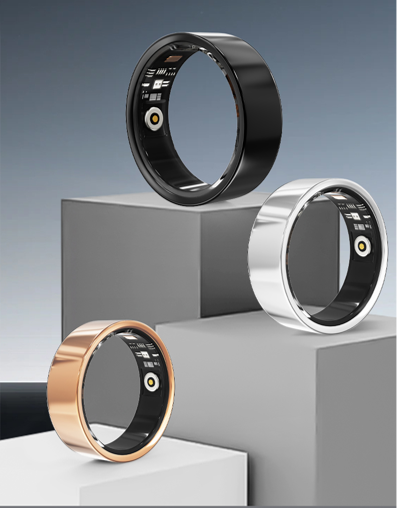
Current market trends indicate a growing demand for devices that marry functionality with convenience. Smart rings, with their unobtrusive design, cater to this niche by offering similar health tracking capabilities as their larger counterparts. They are not only appealing for their sleek aesthetics but are also seen as practical solutions for users seeking enhanced comfort and ease. Such devices can monitor various health metrics, such as heart rate and sleep patterns, while seamlessly integrating into daily routines.
With the market expanding and consumer needs evolving, it's clear that the prevalence of wearable technology is on an upward trajectory. This trajectory provides a solid groundwork for the growth of smart rings as a compelling choice within the wearable tech landscape. As we continue to innovate in this space, it is evident that the future of wearables holds particularly exciting prospects.
Advantages of Smart Rings Over Traditional Wearables
Smart rings are emerging as a compelling alternative to traditional wearable devices such as smartwatches and fitness bands. One of the primary advantages of smart rings is their compact design. Unlike larger devices that can feel bulky or cumbersome, smart rings are lightweight and discreet, fitting comfortably on the finger without drawing excessive attention. This compactness makes them an ideal choice for individuals who prefer minimalistic accessories yet desire the benefits of wearable technology.
Comfort is another key benefit of smart rings. Due to their small size, they can be worn continuously without causing discomfort, making them suitable for various activities, whether it's running errands or sleeping at night. This feature stands in contrast to larger wearables that may need to be removed during particular activities or may feel intrusive when worn for extended periods.
In terms of style, smart rings offer an elegance and versatility that is often lacking in traditional wearables. Available in various designs and materials, they can easily complement any outfit or occasion, catering to consumers' growing demand for fashion-forward tech gadgets. This aspect not only elevates the aesthetic appeal but also encourages more individuals to adopt wearable technology in their daily lives.
Functionality and health monitoring capabilities also play a significant role in the rising popularity of smart rings. While some functionalities found in smartwatches may be considered excessive for many users, smart rings provide essential features such as heart rate monitoring, sleep tracking, and notifications without overwhelming the wearer. This targeted approach aligns with the current consumer trend towards multifunctional wearables that blend seamlessly into their lifestyles.
Overall, the combination of compactness, comfort, style, and essential functionality sets smart rings apart as the next logical step in the evolution of wearable technology, appealing to those who seek a practical yet fashionable solution for health monitoring and connectivity.
Technological Innovations Fueling Smart Ring Development
The evolution of smart rings is significantly propelled by various technological innovations that enhance their functionality and appeal to consumers. At the core of these advancements are advanced sensors, which play a pivotal role in collecting and analyzing biometric data. These sensors enable smart rings to monitor a wide range of health metrics, including heart rate, sleep patterns, and physical activity, providing users with valuable insights into their well-being. Such capabilities are crucial for those who seek to track their fitness levels and manage their health proactively.
In addition to enhanced sensor technology, there have been notable improvements in battery efficiency. Smart rings are designed to integrate powerful batteries that can sustain prolonged use without frequent recharging. This means users can wear their rings continuously, taking advantage of the device's features seamlessly throughout the day and night. Enhanced battery life contributes to the overall convenience, making smart rings a more practical choice amid the growing competition in the wearables market.
The selection of materials used in manufacturing smart rings has also evolved. Manufacturers are now employing advanced materials that ensure durability, comfort, and style. For instance, options like lightweight titanium, stainless steel, and specialized polymers not only contribute to a sleek design but also ensure that the rings are resistant to wear and tear. These materials allow smart ring producers to cater to a wider audience, appealing to those looking for aesthetic appeal alongside functionality.
Collectively, these technological advancements have contributed significantly to making smart rings more attractive to consumers. As the smart ring market continues to expand, the ongoing development of these innovative features is expected to foster greater adoption among users seeking a blend of practicality and sophistication in wearable technology.
Future Outlook: Market Predictions and Potential Challenges
As wearable technology continues to evolve, smart rings are poised to emerge as a significant player in the market. Analysts predict a robust growth trajectory for smart rings in the coming years, with market forecasts suggesting that their adoption rates will surpass those of traditional fitness trackers and smartwatches. According to recent studies, the global smart ring market could experience a compound annual growth rate (CAGR) exceeding 20% through 2030. This growth can be attributed to the increasing consumer demand for discreet, versatile wearables capable of monitoring health metrics and providing connectivity.
Emerging brands have begun to occupy the smart ring space, innovating with unique features and functionalities that enhance usability. Companies like Oura, Motiv, and Echo have introduced products focused on health tracking, sleep monitoring, and customizable notifications, drawing attention from a diverse demographic. Consumers are increasingly looking for devices that seamlessly integrate into their daily lives. This trend is particularly appealing to health-conscious users and tech-savvy millennials who value both practicality and style in their wearable solutions.
However, the smart ring market faces its share of challenges that could hinder growth. Intense competition from established wearable manufacturers may complicate market penetration for newer brands. Furthermore, pricing remains a critical factor; premium pricing strategies can limit accessibility for a wider audience. Technological hurdles, such as battery life and sensor accuracy, also present challenges that manufacturers must address to maintain consumer satisfaction. As the market matures, balancing innovation while addressing these challenges will be vital for the sustained success of smart rings in the wearable tech landscape. In conclusion, while the future outlook for smart rings appears promising, ongoing developments will be crucial in overcoming potential barriers that could impact market growth.