
Smart Ring Market Trends 2025: A Guide for B2B Buyers
12/17/20255 min read
Overview of the Smart Ring Market
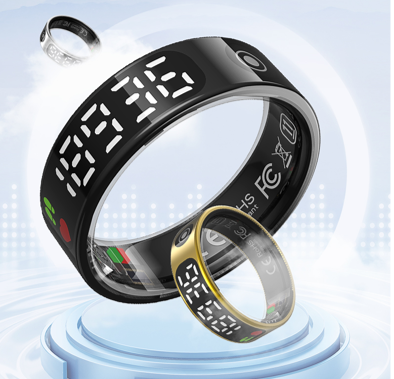
The smart ring market has experienced significant transformation and growth in recent years, evolving from niche products to an emerging segment in the wearable technology landscape. As of now, smart rings have carved a niche by offering a compact and discreet alternative to traditional wearables such as smartwatches and fitness bands. Predicted growth trends indicate a robust expansion of this market leading into 2025, driven by advances in technology and consumer interest.
Technological advancements have played a crucial role in the increasing adoption of smart rings. Innovations in sensor technology, battery life, and connectivity have made these devices more functional and user-friendly. Manufacturers are integrating features such as contactless payments, health monitoring capabilities, and compatibility with smart home devices, enhancing the overall consumer experience. The rise of IoT (Internet of Things) is also influencing the market, as smart rings can now seamlessly connect and communicate with an array of devices.
Consumer awareness surrounding health and wellness has further contributed to the growth of the smart ring market. More individuals are actively seeking solutions to monitor vital signs, track daily activities, and manage stress. This trend has led to increased demand for smart rings equipped with health-centric features, such as heart rate monitoring, sleep tracking, and fitness analytics. Furthermore, B2B buyers should note that the integration of wellness initiatives within corporations is likely to bolster the early adoption of these wearables.
Market statistics reinforce the promising potential of the smart ring sector. Notable players in the industry, such as Oura, Motiv, and Go2Sleep, are consistently launching innovative products, making a substantial impact on consumer choices and preferences. As competition heats up among key players, B2B buyers can anticipate a wider array of options and advanced functionalities in smart rings over the next few years. This burgeoning market provides significant opportunities for both consumers and businesses alike.
Key Trends Shaping the Smart Ring Industry
The smart ring industry is currently experiencing significant growth, driven by numerous trends that are reshaping the market landscape. One of the most notable trends is the growing demand for multifunctional devices. B2B buyers are increasingly seeking smart rings that offer a combination of features, such as fitness tracking, mobile payments, and notifications, all within a compact and stylish design. This demand for versatility encourages manufacturers to innovate and introduce multifunctional smart ring models, enhancing their appeal in various markets.
Another key trend is the integration of smart rings with the Internet of Things (IoT). As IoT technology continues to advance, the potential for smart rings to communicate seamlessly with other smart devices is becoming more apparent. This interoperability provides users with a cohesive ecosystem where their smart rings can control appliances, synchronize data, and enhance overall connectivity in their daily lives. B2B buyers should be attentive to developments in IoT integration as it can greatly impact product effectiveness and user experience.
Advancements in battery technology also play a crucial role in the evolution of smart rings. Consumers are demanding longer-lasting devices that require less frequent charging. Innovations in battery efficiency are thus critical, as they enhance the desirability and practicality of smart rings for everyday use. Furthermore, the emergence of personalized health monitoring features is capturing consumer interest, with smart rings now providing insights into vital statistics such as heart rate and sleep patterns. This focus on health and wellness reflects larger consumer preferences that prioritize fitness and well-being.
Design, user interface, and aesthetics are essential elements influencing buyer choices in the smart ring market. Manufacturers must provide visually appealing and user-friendly products to attract consumers. Additionally, sustainability trends, including the use of eco-friendly materials and ethical production processes, are influencing purchasing decisions. Buyers increasingly favor brands that align with their values regarding environmental impact and sustainability. Thus, incorporating these considerations into product development will be essential for success in the smart ring market.
Opportunities and Challenges for B2B Buyers
The smart ring market represents a significant opportunity for B2B buyers looking to enhance their offerings with innovative technology. One of the primary advantages is the potential for strategic partnerships with established manufacturers and tech firms. These collaborations can provide B2B buyers with comprehensive access to the latest advancements in smart ring technology, allowing them to develop unique products that meet the evolving needs of consumers. Furthermore, investing in smart rings can position businesses at the forefront of wearable technology, tapping into the growing demand for health and fitness tracking, payment solutions, and secure communication.
Incorporating smart rings into existing product lines offers distinct benefits, such as increased customer engagement and the ability to gather valuable data insights. This data can be instrumental in driving targeted marketing strategies and enhancing customer experiences. Additionally, with the rise of the Internet of Things (IoT), smart rings can seamlessly integrate with other devices, creating an interconnected ecosystem that can attract a more extensive customer base.
However, B2B buyers must navigate several challenges in this burgeoning market. Market saturation may lead to intense competition, making it essential for buyers to differentiate their offerings. Moreover, a lack of clarity surrounding the regulatory landscape can pose substantial risks, as varying jurisdictions may impose different standards and requirements. Adopting new technology also presents hurdles, including the need for staff training, potential integration issues with existing systems, and consumer hesitation regarding the adoption of wearables.
To successfully navigate these challenges while leveraging the opportunities presented by the smart ring market, B2B buyers should adopt a proactive approach. Conducting thorough market research, engaging in continuous learning about technological advancements, and forming strategic alliances can enhance competitive advantage. Additionally, focusing on building consumer trust and addressing privacy concerns will be vital in promoting the adoption of smart rings in the marketplace.
Future Outlook: Preparing for 2025 and Beyond
As the smart ring market continues to evolve, the outlook for 2025 and beyond appears promising yet challenging for B2B buyers. The proliferation of wearable technology has significantly increased market dynamics, with smart rings emerging as a crucial component of personal health monitoring and connectivity solutions. This burgeoning segment is projected to witness rapid growth fueled by advancements in technology, changing consumer preferences, and the integration of health-focused functions.
Emerging technologies such as Artificial Intelligence (AI), Internet of Things (IoT), and enhanced biometric sensors are expected to redefine the capabilities of smart rings. These innovations will not only improve functionality but also enhance user experience, providing detailed insights into health metrics and facilitating seamless connectivity with other smart devices. B2B buyers must pay close attention to these technological trends when considering suppliers and products for their end consumers.
Furthermore, predictions indicate a shift in consumer behavior, with greater emphasis on personalization and the integration of smart devices into everyday life. As we approach 2025, consumers will likely seek devices that offer unique features tailored to their individual needs. Therefore, manufacturers may need to adopt more flexible competitive strategies that prioritize customization and user engagement. This evolving demand landscape can influence B2B procurement decisions and supplier relationships in the smart ring domain.
To remain competitive and capitalize on the anticipated market opportunities, B2B buyers should consider implementing actionable strategies. Staying informed about technological trends and consumer preferences is crucial, as is forging strong partnerships with innovative suppliers who can provide cutting-edge solutions. By preparing for the future of the smart ring market, B2B buyers can ensure they are not only reactive but proactive in navigating the changes and challenges that lie ahead.