
The Rise of AI Toys: Why They're the No.1 Product Category for Wholesalers in 2025
11/21/20255 min read
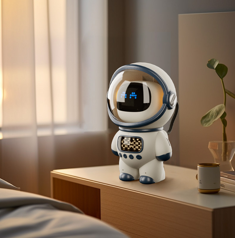

Understanding the AI Toy Market
The toy industry has experienced a significant transformation in recent years, with artificial intelligence (AI) emerging as a prominent feature in many products. This shift is largely driven by a growing consumer demand for interactive and educational toys, which enable children to engage in thoughtful and productive play. AI toys foster cognitive development and provide opportunities for personalized learning experiences, making them increasingly appealing to parents seeking quality educational resources for their children.
Advancements in technology have played a critical role in the rise of AI toys. As AI capabilities continue to improve, manufacturers are integrating sophisticated algorithms and machine learning functionalities into their products. This allows toys to interact with children in more dynamic ways, adapting to their preferences and learning styles. For example, AI-driven toys can offer tailored educational content, providing children with challenges that match their skill level. This responsiveness contributes significantly to the attractiveness of these products, placing them at the forefront of market trends.
The shift towards engaging play experiences is another factor propelling the AI toy market forward. Parents are increasingly aware of the importance of play in developmental stages, leading them to seek out toys that not only entertain but also educate. According to market research, the global AI toy market is projected to grow substantially in the coming years, with estimates indicating a compound annual growth rate (CAGR) of over 15% through 2025. Notably, surveys reveal that a considerable percentage of parents prioritize the educational value and interactive features of toys when making purchasing decisions, further illustrating the demand for AI products.
In conclusion, the landscape of the toy industry is rapidly changing with the integration of artificial intelligence. As a result, wholesalers are poised to benefit significantly from the popularity of these innovative toys, reflecting a broader societal shift in how children play and learn.
The Benefits of AI Toys for Children
AI toys are revolutionizing the way children engage in play, offering numerous benefits that contribute to their overall development. One significant advantage of these intelligent toys is their ability to foster creativity. By integrating interactive features and adaptive responses, AI toys encourage imaginative thinking. Children can explore various scenarios and problem-solving exercises, enabling them to express their ideas freely and develop a stronger sense of creativity.
Moreover, AI toys significantly enhance cognitive skills through stimulating gameplay. Many of these toys are designed to challenge children with puzzles, quizzes, and games that adapt in complexity according to the child’s abilities. This tailored learning experience ensures children are continuously engaged, promoting critical thinking and improving their ability to navigate complex challenges. This individualized approach also supports STEM education, as many AI toys incorporate elements of science, technology, engineering, and mathematics in fun and accessible ways.
Furthermore, AI toys play a vital role in promoting emotional intelligence among children. Their interactive nature allows kids to engage in social play, where they learn to recognize emotions, practice empathy, and develop communication skills. Professionals have noted that children who frequently engage with AI toys show improved emotional regulation. For example, industry expert Dr. Emily Rogers emphasizes, “AI toys provide an excellent platform for children to engage in meaningful interactions, refining their emotional responses and enhancing their communication skills.”
In addition to fostering creativity, enhancing cognitive capabilities, and promoting emotional growth, AI toys also adapt to the child’s learning pace. This ability not only transforms the play experience into an effective educational tool but also makes them highly appealing to parents and educators seeking a holistic approach to childhood development. By integrating technology into play, AI toys are establishing themselves as indispensable resources for nurturing well-rounded individuals.
Wholesalers' Perspective: Why AI Toys Are a Smart Investment
The escalating popularity of artificial intelligence (AI) toys signifies a substantial opportunity for wholesalers looking to capitalize on emerging consumer trends. This innovative product category has garnered attention not only due to technological advancements but also because of shifting parental expectations regarding child development and educational tools. For wholesalers, investing in AI toys presents an attractive proposition with promising profit margins and a potential for rapid turnover in a competitive marketplace.
Recent studies indicate a growing consumer preference for products that offer interactive and educational capabilities. AI toys, designed to engage children in a stimulating and productive manner, have resonated well with parents looking to enhance their children's learning experiences. This trend positions wholesalers favorably, as they can tap into a burgeoning market where demand is steadily rising. The profitability of these products is further amplified by their higher price points compared to traditional toys, presenting significant opportunities for increased margins.
Retailers carrying AI toys can benefit significantly from their introduction into product assortments. By diversifying their offerings with this in-demand category, retailers can attract more customers, resulting in greater foot traffic and enhanced customer engagement. The differentiated nature of AI toys allows retailers to stand out and create unique shopping experiences, which can lead to customer loyalty and repeat business. Industry experts have noted that retailers who incorporate AI toys into their inventory have the potential not just to meet existing demand but to shape future consumer preferences. This proactive approach can ultimately solidify their market position.
The combination of rising consumer interest, the unique educational aspect of AI toys, and the potential for higher profit margins makes the category an intelligent choice for wholesalers in 2025. As industry trends continue to shift toward technology-driven products, aligning investment strategies with such innovations will likely yield positive returns in the near future.
Looking Ahead: The Future of AI Toys
As we move closer to 2025, the landscape of AI toys is poised for significant transformation, driven by rapid technological advancements and changing consumer preferences. The integration of artificial intelligence into play has already revolutionized how children interact with their toys, promoting learning and creativity. Future developments are expected to further enhance the capabilities of AI toys, making them more intuitive and engaging. For instance, we may see innovations such as adaptive learning algorithms that personalize experiences based on individual child profiles, thereby fostering deeper educational engagement.
Emerging trends indicate a surge in demand for interactive toys that combine physical play with digital experiences. This hybrid approach caters to the growing expectation among parents for educational value intertwined with entertainment. Furthermore, as awareness about mental health expands, there could be a rise in toys designed to promote emotional intelligence, aiding children in navigating their feelings through AI-guided interactions. Socially aware toys that foster inclusivity and provide diverse role models may become particularly appealing to both children and parents alike.
However, with these advancements come challenges. As the market becomes increasingly competitive, wholesalers must remain vigilant against both established players and new entrants. Developing strong relationships with manufacturers who are at the forefront of technology will be crucial. Moreover, keeping abreast of regulatory guidelines regarding data privacy and safety will be necessary to maintain compliance and consumer trust. Wholesalers should also prepare for fluctuations in consumer preferences, which may shift in response to trends in educational content and interactive capabilities.
The AI toy market is projected to experience robust growth, and wholesalers stand to benefit significantly by positioning themselves strategically. By investing in research, building partnerships with innovative brands, and adapting to consumer feedback, wholesalers can capitalize on the booming market and connect with the next generation of toys. Understanding these dynamics will be key to thriving in the evolving landscape of AI toys.